Il mese murialdino in Ecuador, le prime due settimane
- 12 May 2022
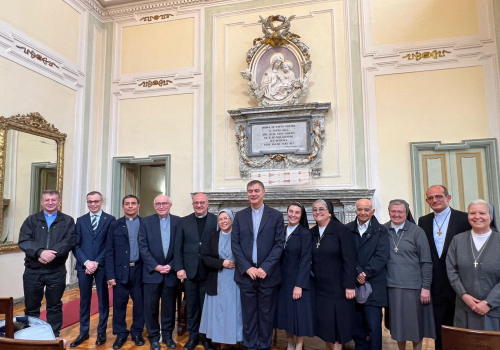
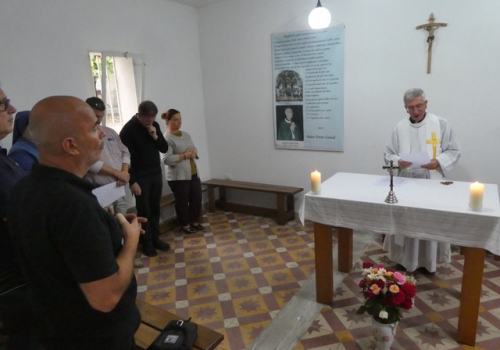
p. Eugenio Beni ci scrive dall'Ecuador facendo una sitesi del lavoro, studio, visite e l'esperienza unica della prima settimana del mese murialdino.
LA NOSTRA PRIMA SETTIMANA IN ECUADOR
Il p. Guillermo Campuzano, teologo consulente della CLAR (conferenza dei religiosi dell'America Latina) ha trattato della vita religiosa nel contesto della riforma della Chiesa. La riforma non è altro che un continuo ritorno al Vangelo, incontrando una persona (Cristo) e una visione della storia (il Regno di Dio) che ci chiedono di cambiare (riforma) proprio per essere loro fedeli nei tempi che cambiano. Tutti i documenti di papa Francesco, in fondo, trattano di questo: cosa occorre cambiare per seguire Gesù oggi, e non perdersi nell'apparenza, nel mondo virtuale dei social. Saper fare morire quanto non ha più senso o utilità per lasciare spazio a quello che fa nascere lo Spirito (sia a livello ecclesiale che di congregazione). E questo con la visione positiva, di speranza dei profeti, nell'ascolto reciproco, camminando assieme verso gli orizzonti di novità che scopriamo.
La riforma della Chiesa è anche connessa alla trasformazione sociale, nel progetto del papa (Vedi il Sinodo amazzonico, la Fratelli tutti, la Laudato sii...). Passare da una spiritualità prevalentemente individuale e individualistica alla "mistica del noi", all'Amore fraterno: questo è il cammino sinodale che è iniziato!
Nel terzo giorno il p. Guillermo ha approfondito le dinamiche teologico-spirituali del processo sinodale, che conducono a creare una sapienza comunitaria, a partire dall'ascolto reciproco, dando spazio specialmente agli ultimi, gli esclusi. Altra dinamica importante è quella del cammino, del muoversi dietro a Gesù, un cammino che si fa insieme (sinodo), nello stile dell'incontro con gli altri sulla strada (mistica del noi). Un cammino nella povertà e essenzialità (Lc 10, 4-12), portando solo il Vangelo. un viaggio anche verso l'intimità: con se stessi, il prossimo, chi è lontano, con Dio e il suo Regno. Queste dinamiche di riforma porteranno a formare la Chiesa di oggi e domani una nella diversità per incarnare i valori del Regno in ogni cultura, santa,sempre e solo guidata dallo Spirito, cattolica, che accoglie tutti, appassionata dell'umanità e del creato per mostrare la sua passione per Dio, inserita rispettosamente nelle diverse culture; apostolica: il papa e i vescovi come segno di unità per realizzare dovunque il Regno di libertà e giustizia... Infine sinodale dove tutto il popolo di Dio cammina insieme pur nella diversità di funzioni e ministeri. Applicando alla nostra Congregazione, il p. G. suggerisce di rivedere gli articoli 46 e 48 delle Costituzioni e 40-46 del Direttorio (FdM e comunione di vocazioni).
Il giorno seguente ha approfondito il ruolo della vita consacrata nel processo sinodale e di riforma della Chiesa. In un contesto di VC dove i carismi simili si pensano sempre più assieme e cresce l'attenzione alle famiglie carismatiche, 3 sono le priorità suggerite: sinodalità, etica della cura (in cui sta il tema della prevenzione degli abusi) ed ecologia integrale. 7 movimenti:
verso la vita,
verso l'essenzialità,
verso la testimonianza profetica,
verso la centralità della relazione a partire dall'equità,
verso un carisma vissuto e condiviso per il Regno,
verso il superamento di una pastorale solo assistenziale, che non trasforma la storia,
verso una democrazia infinita,nella corresponsabilità, speranza, riconoscimento e cura dell'altro, misericordia.
L'ultimo giorno, venerdì, ci ha fatto una Lectio sulla vita, di ciascuno di noi religiosi. Nella mia vita si incarna il carisma, nella mia preghiera, relazioni con gli altri, nelle decisioni personali e comunitarie...
Vi alleggiamo il file con la presentazione del relatore in spagnolo. (vedi il link 1)


News
Other news
Week Two: "Hope That Transforms: Young People in the Service of Life"
SAN FRANCISCO DE MOSTAZAL (CHILE) – During this Murialdo Month, our attention turns to Chile, where the Murialdo Family is coming together to experience days filled with formation, fellowship, and service. During this week, October 12–16, various educators from our schools, reception services, and social ministries are gathering and walking alongside young people from different Murialdo communities around the world, guided by the Murialdo Youth and Vocational Ministry. This year’s theme, “Hope That Transforms: Young People in the Service of Life,” calls us back to the heart of our mission: to be instruments of hope and promoters of life for young people. A central part of this journey is the visit to the religious community of Requínoa and the San José High School, places where the Murialdian charism continues to serve as a guiding light for the education and human and spiritual growth of the younger generations.
17 October 2026